
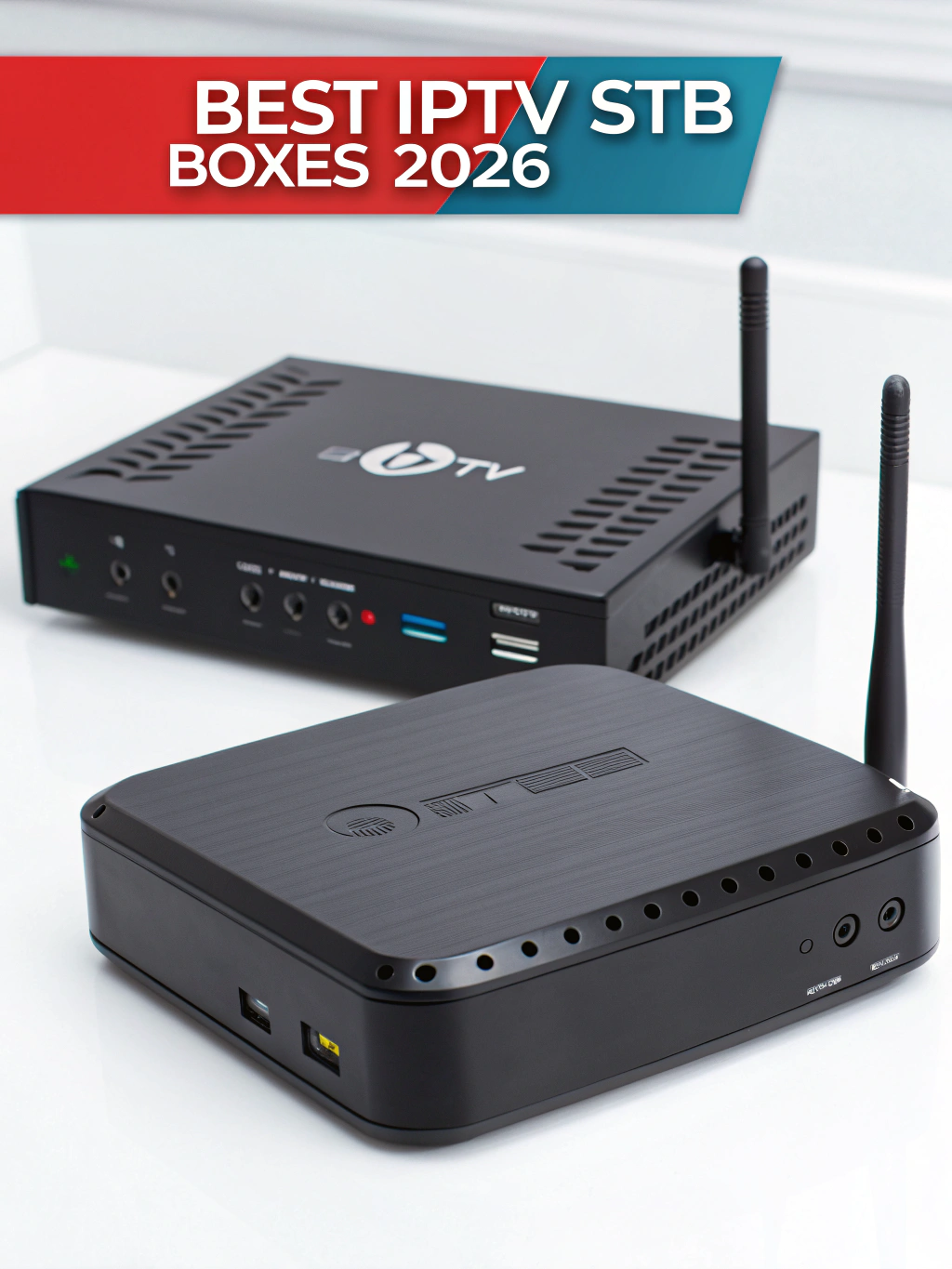
Best IPTV STB Box in 2026: Top Models Compared
Are you tired of buffering, outdated interfaces, and unreliable streaming devices? Choosing the right iptv stb box can transform your entire entertainment experience. With dozens of models flooding the market in 2026, finding the perfect set-top box requires careful consideration of processing power, compatibility, and long-term reliability.
This comprehensive guide breaks down everything you need to know about selecting the best IPTV set-top box for your home, comparing top models, and helping you make an informed decision that matches your viewing habits and budget.
What Is an IPTV STB Box?
An IPTV STB box, or Internet Protocol Television Set-Top Box, is a dedicated hardware device that receives and decodes digital television signals delivered over internet protocols. Unlike traditional cable or satellite receivers, these devices connect to your home network and stream content directly from IPTV service providers.
The technology behind these devices has evolved significantly since the early days of internet streaming. Modern set-top boxes feature powerful processors, dedicated graphics units, and optimized firmware designed specifically for handling live television streams, video-on-demand content, and electronic program guides.
These devices bridge the gap between your television and internet-based content delivery systems. They handle the complex task of decoding various video formats, managing network connections, and presenting content through user-friendly interfaces that rival traditional broadcast television experiences.
Why an IPTV STB Box Matters in 2026
- Cord-cutters seeking reliable alternatives: Millions of households have abandoned traditional cable subscriptions, making dedicated streaming hardware essential for accessing live television content without monthly cable fees.
- Superior streaming stability: Unlike generic streaming sticks or smart TV apps, purpose-built iptv stb box devices offer optimized performance specifically for IPTV protocols, reducing buffering and improving channel switching speeds.
- Enhanced viewing experience: Premium models support 4K resolution, HDR content, and advanced audio formats, delivering cinema-quality entertainment in your living room.
- Growing IPTV market adoption: Industry analysts report that IPTV subscriptions have surpassed 350 million globally in 2026, driving manufacturers to develop increasingly sophisticated hardware solutions.
Key Features to Look for in an IPTV STB Box
- Processing power and RAM: Look for devices with quad-core processors and at least 2GB of RAM for smooth operation. Premium models feature octa-core chips and 4GB RAM for handling 4K streams without stuttering.
- Storage capacity: Internal storage ranging from 8GB to 32GB affects how many apps you can install and whether you can record content locally. Some models support external storage expansion via USB or microSD.
- Network connectivity: Dual-band WiFi (2.4GHz and 5GHz) is standard, but Ethernet ports provide more stable connections for uninterrupted streaming. WiFi 6 support is becoming increasingly common in 2026 models.
- Video output capabilities: HDMI 2.1 support enables 4K streaming at 60fps with HDR10 and Dolby Vision compatibility. Some advanced models also support 8K output for future-proofing.
- Middleware compatibility: Ensure your device supports popular IPTV middleware platforms like Stalker, Ministra, or proprietary systems used by your service provider.
- Remote control quality: Ergonomic remotes with dedicated IPTV buttons, voice search capabilities, and backlit keys significantly improve daily usability.
In-Depth Comparison: Top IPTV STB Box Models in 2026
The MAG box series continues dominating the market with its MAG 544w3 model. This powerhouse features an Amlogic S905Y4 processor, 2GB RAM, and 8GB internal storage. Its Stalker middleware integration makes it the preferred choice for traditional IPTV service providers worldwide.
The Formuler Z11 Pro Max has emerged as a serious contender in the premium segment. Running Android 11, this device offers flexibility beyond traditional IPTV functionality. Its MyTVOnline 3 interface provides an intuitive experience while supporting multiple IPTV formats including M3U playlists and Xtream Codes.
For users seeking Android-based solutions, the iptv box android category offers tremendous versatility. The BuzzTV XRS 4900 exemplifies this approach, combining powerful hardware with full Google Play Store access, enabling installation of virtually any streaming application alongside dedicated IPTV functionality.
The Dreamlink T3 Ultimate represents excellent mid-range value. Its DOL2 operating system provides smooth navigation, while 4K HDR support ensures future-compatible viewing. The included Bluetooth remote with voice search adds convenience without breaking the budget.
Budget-conscious consumers often gravitate toward the iptv firebox alternatives, which deliver solid performance at lower price points. These devices typically sacrifice some processing power but maintain essential IPTV functionality for standard definition and 1080p content.
Step-by-Step Guide: Setting Up Your IPTV STB Box
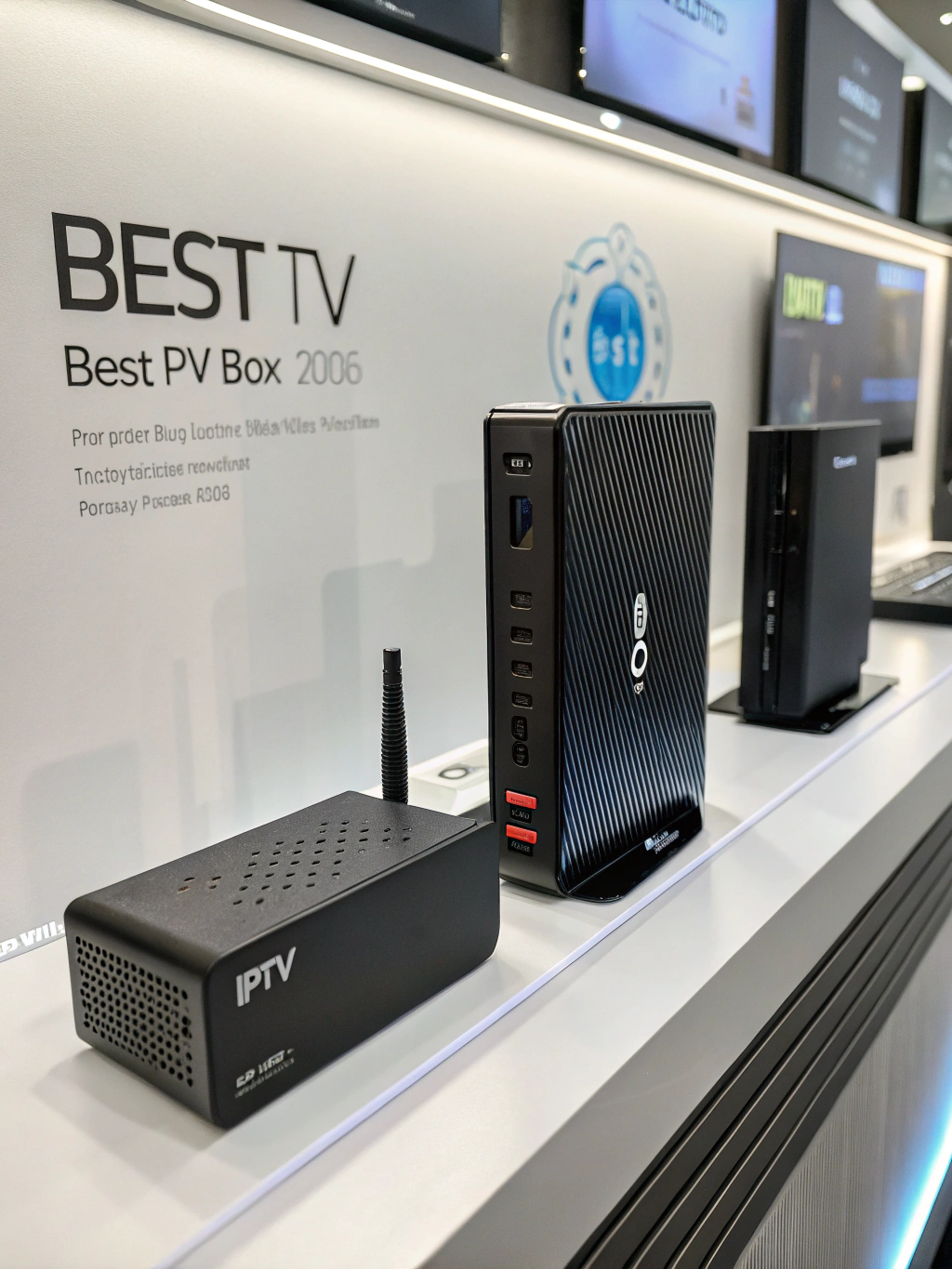
- Physical connection: Connect your device to your television using the included HDMI cable. For optimal performance, use the HDMI port that supports your device’s maximum resolution capability. Connect the power adapter and, if available, use an Ethernet cable for the most stable internet connection.
- Initial configuration: Power on the device and follow the on-screen setup wizard. Select your language, time zone, and connect to your WiFi network if not using Ethernet. Allow the device to check for and install any available firmware updates before proceeding.
- IPTV service activation: Enter your IPTV subscription credentials as provided by your service provider. This typically involves inputting a portal URL for Stalker-based systems or M3U playlist links for other configurations. Some providers use MAC address authentication, which requires registering your device’s unique identifier.
- Interface customization: Organize your channel favorites, adjust video output settings to match your television’s capabilities, and configure parental controls if needed. Most devices allow creating multiple user profiles with personalized channel lists and preferences.
- Performance optimization: Fine-tune buffer settings based on your internet speed, enable hardware acceleration for smoother playback, and configure automatic EPG updates to maintain accurate program guide information.
Pros and Cons of Dedicated IPTV STB Box Devices
- Pros: Purpose-built hardware delivers superior streaming stability compared to multi-purpose devices. Dedicated remotes with IPTV-specific buttons enhance navigation efficiency. Professional-grade middleware support ensures compatibility with commercial IPTV services. Regular firmware updates from established manufacturers maintain security and add features.
- Cons: Higher upfront cost compared to generic streaming sticks or smart TV apps. Some models lack app store access, limiting functionality beyond IPTV viewing. Proprietary systems may lock users into specific service providers. Physical hardware requires replacement when technology advances significantly.
Frequently Asked Questions About IPTV STB Box Devices
What internet speed do I need for an IPTV STB box?
For standard definition content, 5 Mbps suffices. HD streaming requires 10-15 Mbps, while 4K content demands at least 25 Mbps. We recommend 50 Mbps or higher for households with multiple simultaneous streams to prevent buffering during peak usage.
Can I use an iptv stb box without a subscription?
The hardware functions independently, but accessing content requires an active IPTV subscription from a service provider. Some Android-based boxes allow installing free streaming apps, though these typically offer limited content compared to paid services.
How long do IPTV set-top boxes typically last?
Quality devices from reputable manufacturers typically provide 4-6 years of reliable service. However, advancing technology may make older models feel sluggish before they physically fail. Budget approximately 3-4 years for optimal performance before considering upgrades.
Is WiFi or Ethernet better for IPTV streaming?
Ethernet connections consistently outperform WiFi for IPTV applications. Wired connections eliminate interference issues, provide consistent bandwidth, and reduce latency. If Ethernet isn’t practical, position your router close to the device and use 5GHz WiFi for better results.
What’s the difference between MAG boxes and Android IPTV boxes?
MAG boxes run proprietary Linux-based firmware optimized specifically for IPTV middleware, offering streamlined performance for traditional IPTV services. Android boxes provide greater flexibility with app installation capabilities but may require more configuration for optimal IPTV performance.
Can I record live TV with an IPTV STB box?
Recording capabilities vary by device and service provider. Some boxes support local recording to USB storage, while others offer cloud DVR functionality through their IPTV service. Check both hardware specifications and provider features before assuming recording availability.
Best Alternatives and Competitors
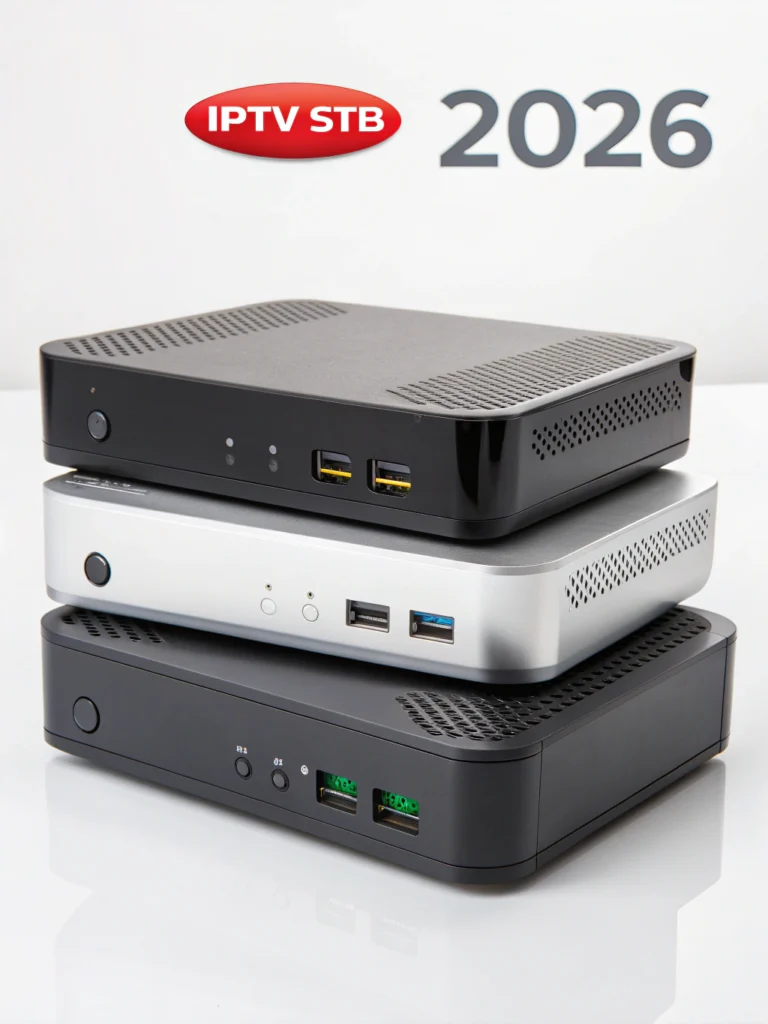
Amazon Fire TV Cube: While not a dedicated IPTV device, its powerful hardware and Alexa integration make it viable for IPTV apps. Requires third-party application installation for IPTV functionality.
NVIDIA Shield TV Pro: The most powerful Android-based streaming device available, offering exceptional performance for demanding users. Premium pricing reflects its gaming-capable hardware and AI upscaling features.
Apple TV 4K: Excellent for users within the Apple ecosystem, though IPTV app availability is more limited compared to Android alternatives. Superior build quality and interface polish appeal to premium buyers.
Roku Ultra: User-friendly interface with extensive app selection, but IPTV options are restricted compared to Android-based competitors. Best suited for mainstream streaming services rather than dedicated IPTV use.
For users in North America specifically seeking optimized solutions, the iptv box usa market offers devices pre-configured for regional services and content delivery networks, potentially improving performance for domestic streaming.
Expert Tips and Insights
Invest in quality networking equipment: Your IPTV experience depends heavily on network infrastructure. A quality router with QoS (Quality of Service) settings allows prioritizing streaming traffic, eliminating buffering even when other devices consume bandwidth.
Consider future-proofing: Purchasing a device with specifications exceeding current requirements ensures longevity. The price difference between mid-range and premium models often proves worthwhile over several years of use.
Maintain your device regularly: Clear cache periodically, restart the device weekly, and keep firmware updated. These simple maintenance tasks prevent performance degradation and security vulnerabilities.
Use VPN services strategically: Some users benefit from VPN connections for privacy or accessing geo-restricted content. Choose VPN providers with servers optimized for streaming to minimize speed reduction.
Test before committing: Many IPTV providers offer trial periods. Use these opportunities to evaluate service quality with your specific hardware before purchasing long-term subscriptions.
Common Mistakes to Avoid
- Choosing based solely on price: Ultra-cheap devices often feature underpowered processors that struggle with HD content. Invest in reputable brands with proven track records rather than unknown manufacturers offering suspiciously low prices. Quality devices from established companies provide better long-term value.
- Ignoring network requirements: Many users blame their IPTV box when buffering occurs, but inadequate internet service or poor WiFi coverage causes most streaming issues. Test your network speed at the device location before assuming hardware problems.
- Overlooking middleware compatibility: Purchasing a device incompatible with your IPTV provider’s system creates frustrating compatibility issues. Verify supported platforms and protocols with your service provider before buying any hardware.
- Neglecting firmware updates: Outdated firmware causes security vulnerabilities, compatibility issues, and missed performance improvements. Enable automatic updates or check manually monthly to maintain optimal operation.
Conclusion
Selecting the best IPTV STB box in 2026 requires balancing performance requirements, budget constraints, and compatibility with your chosen service provider. The market offers excellent options across all price points, from budget-friendly devices handling standard content to premium powerhouses delivering flawless 4K streaming experiences.
Whether you prefer the streamlined simplicity of MAG boxes, the flexibility of Android-based alternatives, or the specialized features of premium models like Formuler devices, understanding your specific needs guides you toward the right choice.
Ready to upgrade your entertainment setup? Explore the latest iptv stb box options and discover how the right hardware transforms your viewing experience. Take time to research, compare specifications, and choose a device that serves your household for years to come.